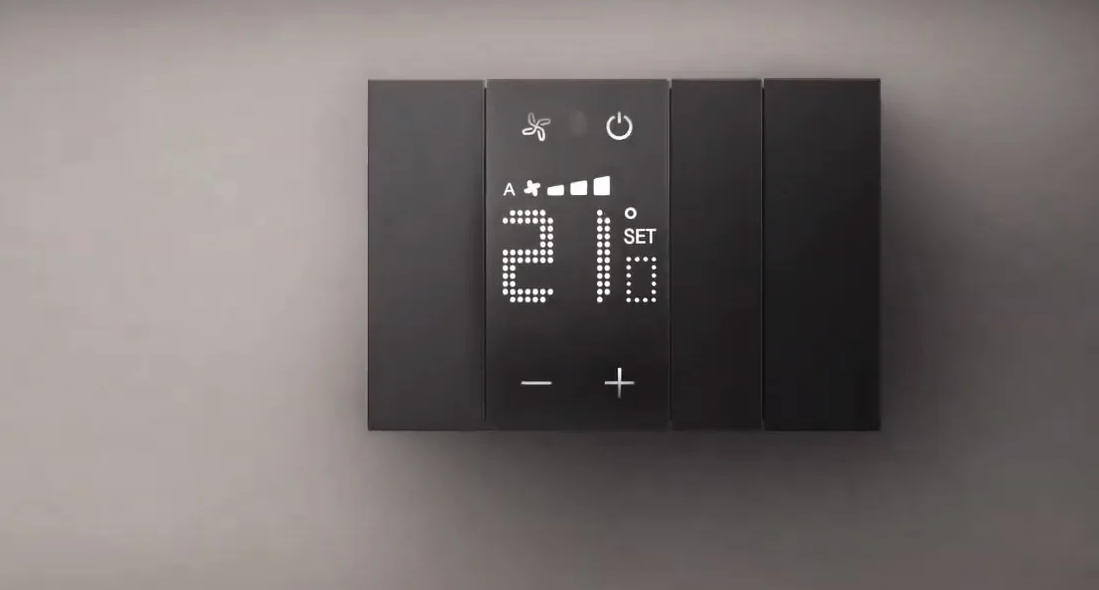
When people think about modern living, smart controls, mobile apps and voice commands often take centre stage. However, a dependable smart home automation system is only as good as the electrical infrastructure supporting it. Long-term performance, safety and flexibility depend heavily on the quality of wiring layouts, isolation devices and power distribution systems installed behind the scenes. Among the most critical elements are dp switches and well-designed db boxes, which together form the foundation of a reliable and compliant smart home.
Understanding how these components work together helps homeowners, designers and installers create systems that are not only intelligent, but also safe and future-ready.
How a Smart Home Automation System Functions in Practice
A smart home automation system connects and manages multiple electrical and electronic functions from a central platform. Lighting, climate control, blinds, energy monitoring and security systems can all be programmed to operate automatically or be controlled remotely. These systems rely on a combination of sensors, controllers and communication gateways that must be integrated seamlessly with the home’s electrical circuits.
What is often overlooked is that smart automation does not replace traditional electrical hardware. Instead, it builds on it. Circuits still require proper isolation, protection and distribution to ensure stable operation. Without correctly specified core components, even the most advanced automation software can become unreliable or unsafe.
Why DP Switches Remain Essential in Smart Installations
DP switches play a vital role in both conventional and automated electrical systems. By disconnecting both the live and neutral conductors simultaneously, they provide complete electrical isolation of a circuit or appliance. This is particularly important in smart homes where appliances may be controlled remotely or scheduled to operate automatically.
Fixed appliances such as water heaters, ovens, air conditioning units and pumps commonly require dp switches to meet safety standards. In a smart environment, these switches must also withstand frequent operation and varying load demands caused by automation routines. Selecting dp switches with the correct current rating and build quality ensures safe isolation during maintenance, emergencies or system upgrades.
From an installer’s perspective, dp switches also make fault finding and servicing far simpler, as circuits can be safely isolated without relying solely on software controls.
The Importance of DB Boxes in Smart Power Distribution
DB boxes, also known as distribution boards or consumer units, act as the central hub of a home’s electrical system. They divide incoming power into individual circuits while housing essential protective devices such as circuit breakers and residual current devices.
In a smart home, db boxes take on an expanded role. Space is often required for smart relays, automation modules or control interfaces that sit alongside traditional protection equipment. A well-planned distribution board allows these elements to be installed neatly and safely, reducing clutter and improving system reliability.
Adequate spacing, proper segregation of circuits and allowance for future expansion are all key considerations. Choosing db boxes with sufficient modular capacity helps ensure that additional automation features can be added later without major electrical alterations.
Selecting Trusted Components for Long-Term Reliability
Using components from established manufacturers reduces the risk of compatibility issues and premature failures. Brands such as Legrand offer a broad portfolio of wiring devices, dp switches and modular db boxes designed to work cohesively within modern residential installations.
Their solutions are commonly specified for smart homes because they combine regulatory compliance with flexibility and durability. Consistent product design, clear labelling and comprehensive technical documentation make installation and future maintenance easier for professionals, while providing homeowners with peace of mind.
When specifying products, it is essential to review technical data, confirm IP ratings where required and ensure the distribution board layout supports both current and planned automation requirements.
Final Thoughts
A high-performing smart home automation system is built on solid electrical fundamentals. While apps and interfaces deliver convenience, dp switches and thoughtfully designed db boxes provide the safety, reliability and adaptability that modern homes demand. By selecting proven components from manufacturers such as Legrand and following sound electrical planning principles, homeowners can enjoy smart living that is dependable today and ready for tomorrow.